

How to perform Eid ul Fitr prayer is a common question for many Muslims as the blessed month of Ramadan comes to an end. Eid ul Fitr prayer is a special act of worship that brings the Muslim community together in gratitude, unity, and remembrance of Allah.
Performed in congregation on the morning of Eid, this prayer has a unique method, specific timing, and extra takbeers that distinguish it from daily prayers. Understanding how to perform Eid ul Fitr prayer correctly helps ensure the worship is done with confidence, peace of mind, and spiritual fulfillment.
This guide explains the Eid ul Fitr prayer method step by step, including preparation, number of rakats, takbeers, khutbah, and common questions people have on Eid morning.
Eid ul Fitr brings gentle joy after a month of patience. The prayer is a simple, beautiful way to thank Allah and come together as a community. Here’s a calm, clear walk-through so you feel confident.
Quick Overview of Eid Prayer Basics
- Rakats: 2
- Extra takbeers: Follow the imam (many mosques do 7 in the first rakat, 5 in the second; some do 3 and 3)
- No adhan or iqamah
- Khutbah (sermon): After the prayer
- Zakat-ul-Fitr: Pay before the prayer begins
- Time: After sunrise until before Dhuhr
Getting Ready for the Prayer
Begin with wudu or a bath to feel fresh. Wear clean, pleasant clothes. A light perfume for men is good; modesty for everyone is essential.
Eat something sweet before leaving—dates are sunnah for Eid ul Fitr. Pay Zakat-ul-Fitr in time so those in need can celebrate too.
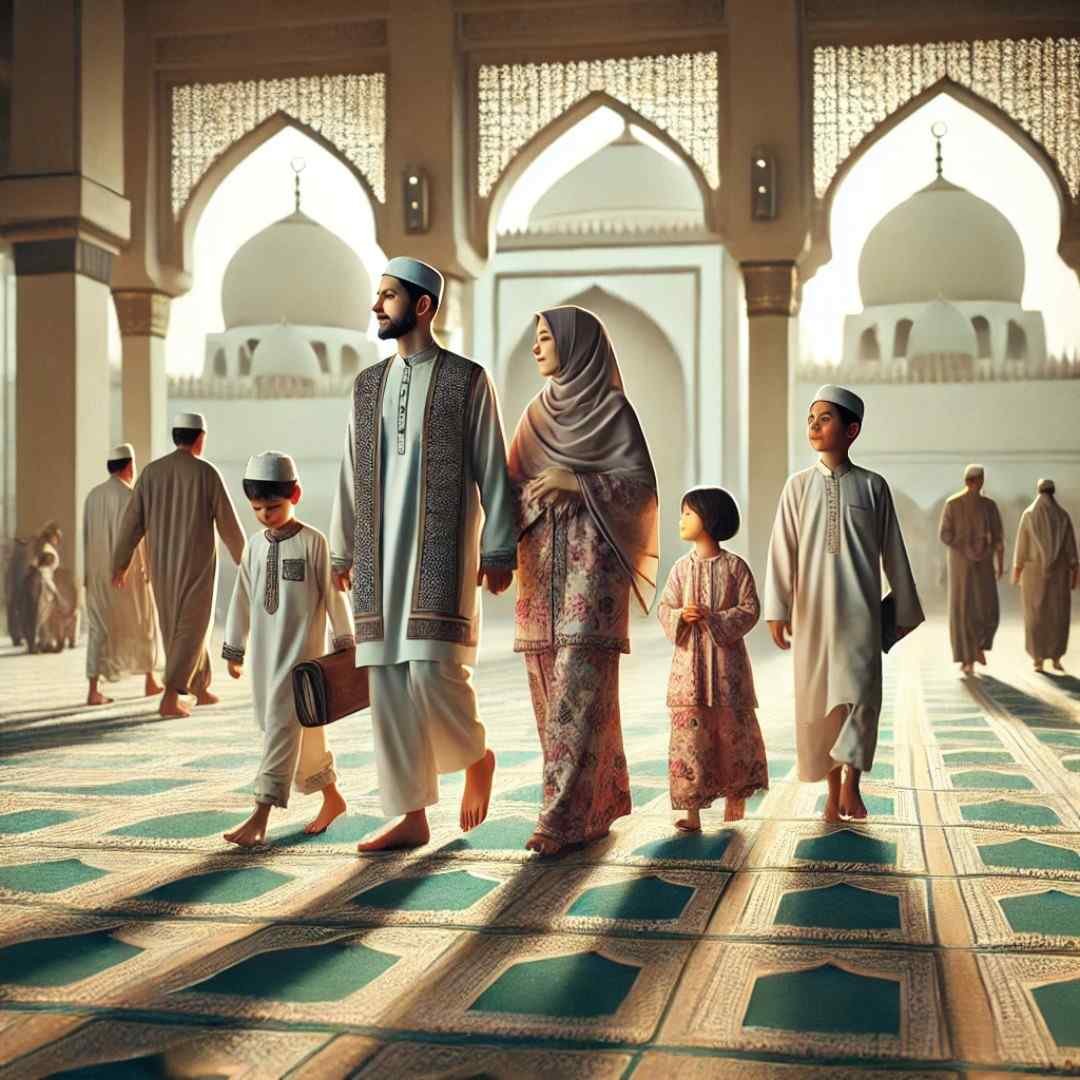
Go early if you can. Walk calmly, reciting the Eid takbeerat softly. Families, women, and children are welcome; togetherness is part of the joy.
How to Perform Eid ul Fitr Prayer Step by Step (Eid namaz ka tarika)
The significance of Eid ul Fitr and completing the fast of Ramadan is highlighted in Surah Al-Baqarah (2:185), which reminds believers to glorify Allah for His guidance and be grateful.
Below is a simple explanation of how to perform Eid ul Fitr prayer by following the imam in congregation.This is a practical eid prayer step by step guide. The method (eid ul fitr prayer method) is easy when you follow the imam.
Before Starting
- Form straight rows facing the Qiblah.
- There is no adhan and no iqamah.
- Make a quiet intention in your heart: “I intend to pray two rakats of Eid ul Fitr prayer for Allah.”
First Rakat
- Say the opening takbir (Allahu Akbar) and fold your hands (or leave them at your sides) as per your local practice.
- The imam says extra takbeers.
- In many mosques: 6 more takbeers now (making 7 with the opening).
- In some mosques (Hanafi): 3 extra takbeers in this rakat.
Raise your hands with each takbir and pause briefly between them, praising Allah quietly.
- The imam recites Al-Fatihah and another short surah aloud. Listen.
- Go into ruku (bowing), then rise, and make two sujoods (prostrations) as in daily prayers.
Second Rakat
- Stand up for the second rakat with takbir.
- The imam says extra takbeers again.
- In many mosques: 5 extra takbeers at the start of this rakat.
- In some mosques (Hanafi): you’ll hear the 3 extra takbeers before ruku.
Follow the imam’s pattern calmly.
- The imam recites Al-Fatihah and another surah aloud.
- Complete ruku and sujood, then sit for tashahhud and finish with tasleem to the right and left.
After the prayer, sit and listen to the khutbah. It comes after the salah for Eid. Be attentive and take the reminders to heart.
Tip: Counts and placement of the extra takbeers vary by school. The most important rule is unity—simply follow the imam where you pray.
Simple Notes on Eid Prayer Takbeer
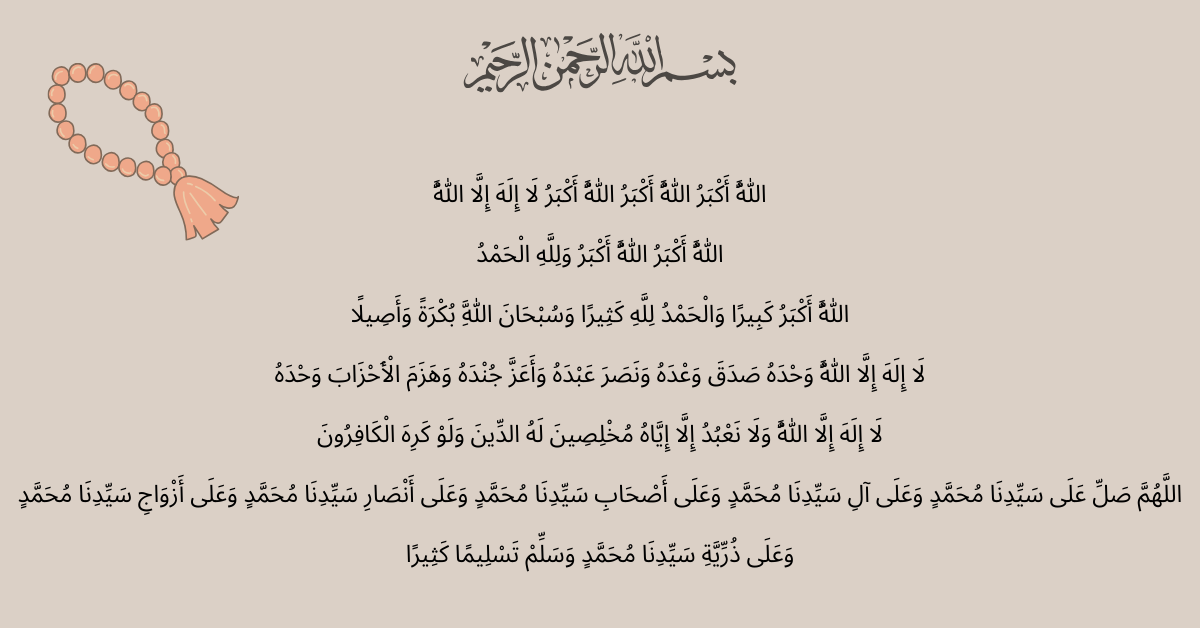
- Raise your hands with each extra takbir if the imam does so.
- Between takbeers, whisper praises like “SubhanAllah, Alhamdulillah, Allahu Akbar.”
- After the final extra takbir in a rakat, settle your hands as per your normal prayer posture.
Common Mistakes to Avoid
- Forgetting Zakat-ul-Fitr until after the prayer. Pay before you leave.
- Starting your own count and rushing the takbeers; just follow the imam’s pace.
- Talking during the khutbah or between takbeers. Maintain calm and focus.
- Leaving immediately after salah and skipping the khutbah without excuse.
- Arriving so late that the time nears Dhuhr; remember the window is limited.
- Thinking there must be an adhan or iqamah—there isn’t for Eid.
After the Prayer: Celebrate with Kindness
After completing the prayer, Muslims exchange warm wishes and greetings, and many people also look for Eid ul Fitr greeting cards and images to share with family and friends.
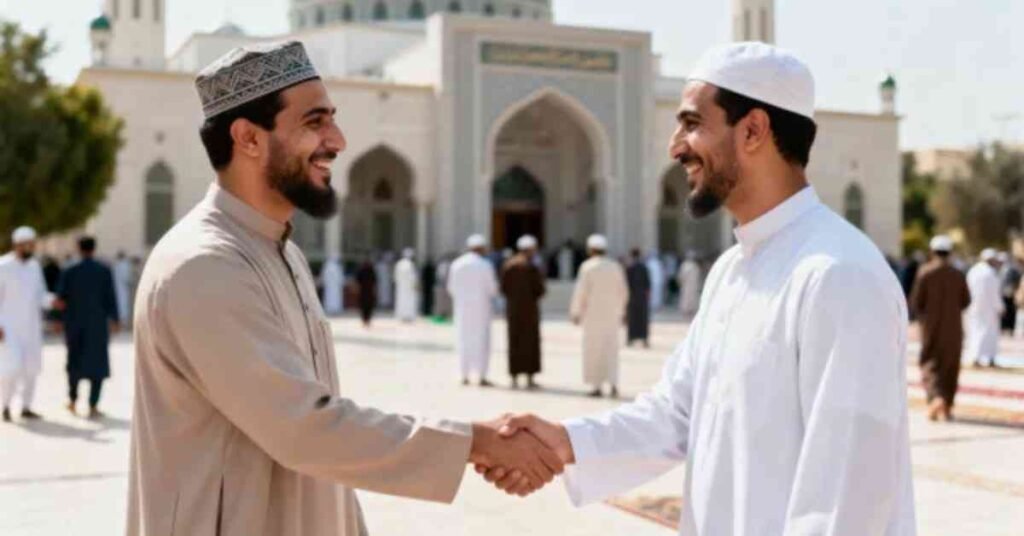
- Greet others warmly: “Eid Mubarak” or “TaqabbalAllahu minna wa minkum.”
- Share sweets and meals; visit family, especially elders and neighbors.
- Give extra charity if you can; spread ease to those facing hardship.
- Keep the day light: gratitude, good words, and play with the children.
Along with exchanging greetings, families often celebrate by visiting loved ones and sharing thoughtful presents, which is why many people explore creative Eid gift ideas after the prayer.
Frequently Asked Questions
Hanafi School: Traditionally, Eid prayer is a communal obligation similar to Friday prayer, requiring a congregation in a public area, not at home individually. If missed, perform a normal supererogatory prayer (like two or four rak’ahs of Duha) at home instead, possibly in small family congregation under exceptional conditions. Some Hanafi scholars allow it with a minimum of four people, but this is not the dominant view.
If you miss it, many scholars allow you to pray it later the same morning (or even later that day) as two rakats with extra takbeers. If unsure, follow your local imam’s guidance.
Follow your imam. Commonly, 7 extra in the first rakat and 5 in the second; in Hanafi practice, 3 and 3. Either way, unity with the imam is the priority.
The khutbah is after the prayer and is highly recommended to listen to, but it is not a condition for the validity of the Eid salah.
Yes. Women can attend and are welcome. If they prefer, they may also pray at home.
It begins after the sun has risen and ends before Dhuhr. Local mosques announce exact times based on your city.
Not necessary. Clean, modest, and pleasant clothing is sufficient. New clothes simply add to the festivity if affordable.
For Eid ul Fitr, it is sunnah to eat something—often an odd number of dates—before leaving for the prayer.
A Warm Closing
Eid ul Fitr is a soft landing after Ramadan—a moment to thank Allah, forgive, and reconnect. It’s a time to reflect on the blessings in our lives and the importance of community and family. As part of your celebration, gathering for the Eid ul Fitr prayer is a beautiful tradition that fosters unity and gratitude.
Whether you’re learning how to perform Eid ul Fitr prayer for the first time or embracing it as part of your established tradition, remember that simplicity and intention are what matter most. Keep the prayer focused, follow the imam’s lead, and let the spirit of mercy guide your visits, your words, and your giving throughout the holiday.
Eid Mubarak to you and your loved ones! May this day bring joy, peace, and a renewed connection to faith and community.