
Introduction
Bihu songs are the musical heartbeat of Assam. Sung during the three seasonal Bihu festivals—Rongali (Bohag) Bihu in spring, Bhogali (Magh) Bihu in winter, and Kongali (Kati) Bihu in autumn—these songs shape celebrations, courtship, and daily life across the state. If you’re searching for “assamese bihu song lyrics,” this guide helps you understand what those lyrics mean, why they matter, and where to listen or learn them without reproducing full copyrighted lines.
In this post you’ll find a careful mix of cultural context, meaning-based explanations, and a curated list of popular Bihu songs—both traditional and modern renditions. The goal is to act as a practical hub: learn how Bihu songs work, what images and feelings they use, and how modern musicians are renewing the tradition. Expect short explanations rather than full lyrics, simple English translations of key ideas, and pointers to related Assamese music resources.
Explore our Assamese song lyrics collection to discover songs across genres, artists, and cultural themes.
What are Bihu Songs?
Bihu songs are short, rhythmic, and often repetitive songs tied to the Bihu festivals. Their core purpose is communal: to celebrate the agricultural cycle, welcome spring, and strengthen social bonds. There are three Bihu seasons, each with different emotional tones:
- Rongali/Bohag Bihu (spring): Joyful, flirtatious, and energetic. Songs focus on youth, love, and renewal.
- Bhogali/Magh Bihu (harvest): Food and feasting are central; songs are more about gratitude and community celebration.
- Kongali/Kati Bihu (lean months): Quieter and more reflective, often linked to ritual lighting and remembrance.
Role of music
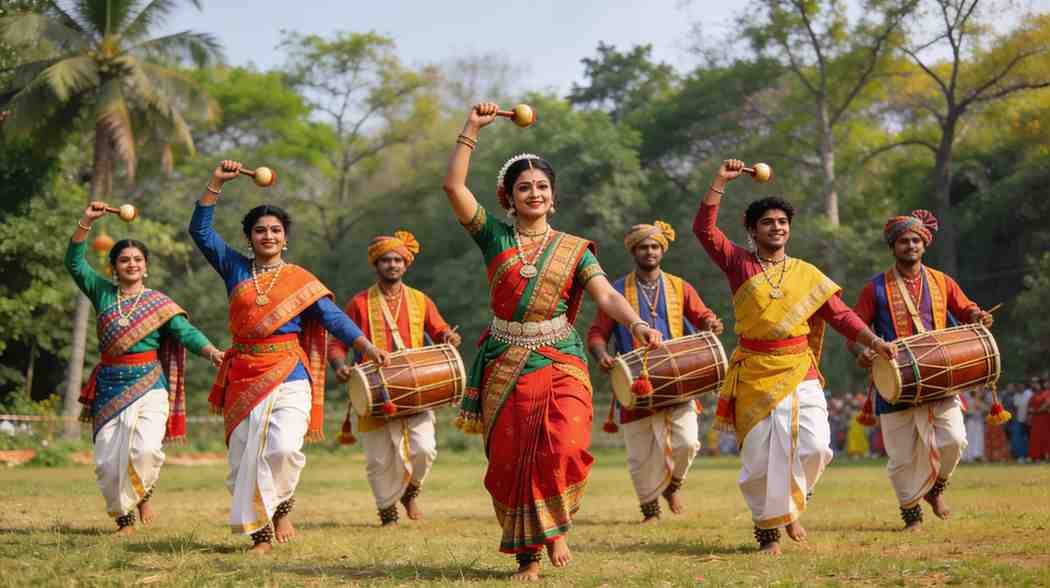
- Bihu songs accompany dance, especially group dances where call-and-response lines create lively interaction.
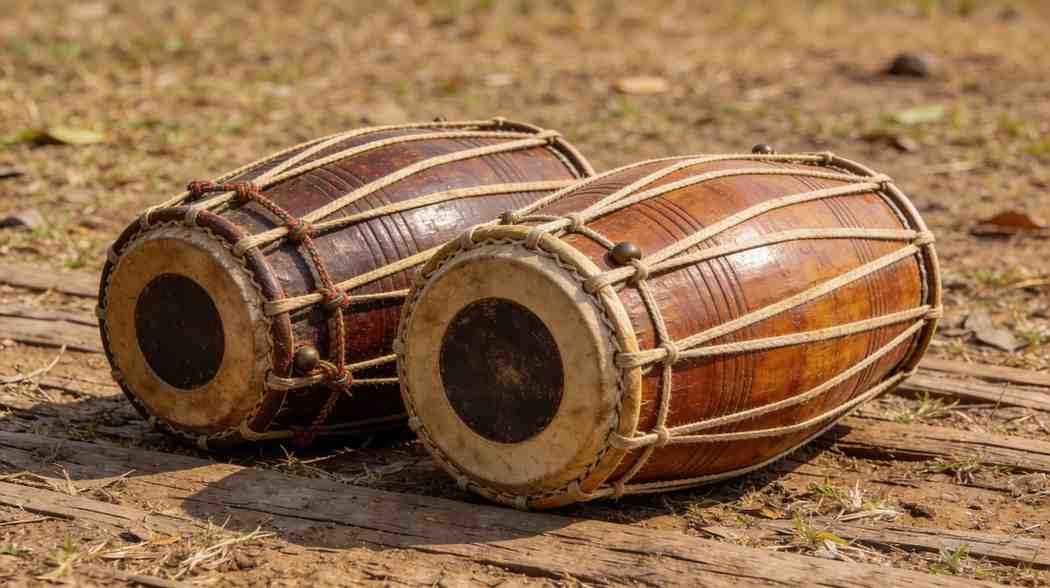
- Traditional instruments like dhol, pepa (bamboo horn), toka (clapper), and gagana (jaw harp) shape rhythm and phrasing.
- Many Bihu songs are oral tradition—learned by ear and passed through generations—so regional variations are common.
These Assamese Bihu song lyrics reflect the joy, traditions, and seasonal life of Assam.
You can also explore Assamese folk song lyrics to understand the traditional roots that influence Bihu music.(Future post)
Popular Assamese Bihu Song Lyrics
Below are 10 notable Bihu songs and renditions, chosen to represent both traditional verses and modern reworkings. For each entry, you’ll find a short description, the central meaning or theme, and why it became popular. We do not reproduce full lyrics—only explain and offer tiny illustrative lines if helpful.
1. Song Name: “বিহু আহিল…” (Bihu ahil…) (traditional Bihu refrain)
- Short description: A classic Rongali Bihu tune celebrating spring mornings and youthful gatherings.
- Meaning / theme: Renewal and joyful flirtation—singers call to one another, inviting dance and courtship.
- Why it is popular: Timeless energy and a melody everyone recognizes at spring celebrations.
2. Song Name: “O Bixoi” (traditional courting Bihu song)
- Short description: A playful courting song where singers tease prospective lovers.
- Meaning / theme: Healthy teasing and romantic challenge—expressing interest with humor.
- Why it is popular: Its cheeky tone makes it a crowd-pleaser during group dances.
3. Song Name: “Dhol Bihu” (instrumental-heavy dance track)
- Short description: A rhythm-first piece emphasizing dhol and pepa with short vocal refrains.
- Meaning / theme: Focus on dance and movement; lyrics are minimal to support rhythm.
- Why it is popular: Perfect for large Bihu dance circles and rural festivities.

4. Song Name: “উজান ভৰি… Ujan Bhori” (modern rendition)
- Short description: A modern studio take on a traditional Bihu melody with fuller arrangements.
- Meaning / theme: Combines nostalgia for village life with contemporary production.
- Why it is popular: Appeals to younger listeners who want tradition with modern clarity.
5. Song Name: “Rangoli Bihu Medley” (fusion Bihu medley)
- Short description: A medley that blends multiple traditional refrains into one continuous track.
- Meaning / theme: Celebratory patchwork—honors many local lines and motifs in a single performance.
- Why it is popular: Great for festivals and stage performances where variety keeps energy high.
6. Song Name: “Pepa Beat Remix” (modern Bihu remix)
- Short description: Electronic or pop remixes that incorporate pepa and dhol loops.
- Meaning / theme: Keeps Bihu’s playful spirit while making it club- and event-friendly.
- Why it is popular: Attracts cross-generational crowds and appears often in cultural programs.
7. Song Name: “আই ভোগালী…Aai Bhogali” (Bhogali-themed song)
- Short description: A Magh Bihu song that centers on feasting and community warmth.
- Meaning / theme: Gratitude for harvest and shared food; invites neighbors to feast.
- Why it is popular: Deeply rooted in communal hospitality and festival rituals.
8. Song Name: “ কাতি বিহু…Kati Bihu Anthem” (reflective piece)
- Short description: A quieter Kati Bihu song focused on lighting lamps and remembering ancestors.
- Meaning / theme: Reflection and a plea for good harvests; subtle, respectful tone.
- Why it is popular: Used in ritual settings where quiet reflection is appropriate.
9. Song Name: “নাহৰ…Nahar” (regional folk-Bihu blend)
- Short description: A Bihu-style song that borrows local folk storytelling elements.
- Meaning / theme: Mixes rural tales, seasonal imagery, and playful courtship in narrative form.
- Why it is popular: Story elements make it memorable and great for community sing-alongs.
10. Song Name: “Bihur Rong” (contemporary ensemble)
- Short description: A contemporary Bihu performance produced for stages and recordings.
- Meaning / theme: Celebration of Assamese identity, fusion of tradition and modernity.
- Why it is popular: High production values make it popular in cultural programs and on social media.
Want to explore more? Browse Assamese song lyrics to discover more traditional and modern songs from Assam.
Themes in Bihu Songs
Bihu songs share recurring themes that explain their emotional appeal:
- Love and romance
Rongali Bihu especially features playful flirting. Lyrics often include teasing lines, promises, and invitations to dance.
You can also discover Assamese romantic song lyrics that beautifully express love and emotional connections.(future post)
- Nature and seasons
Songs celebrate the arrival of spring, river life, fields, and the cycle of planting and harvest. Nature is used as a metaphor for human emotion. - Celebration and joy
Many refrains are direct calls to dance, eat, and enjoy shared life—designed for group participation. - Rural life
Everyday images—paddy fields, boats, village gates, household chores—anchor songs in lived experience.
Many Assamese Bihu song lyrics use simple words to express deep emotions and cultural values.
Bihu Song Lyrics Meaning (English)
Understanding the meanings of Bihu song lyrics helps listeners connect emotionally even if they don’t speak Assamese. When considering “assamese bihu song lyrics” or “assamese song lyrics in english,” focus on translations that convey mood, context, and cultural references rather than literal word-for-word copies.
Why meaning matters
- Preserves cultural nuance: Words tied to local rituals or objects (e.g., “pepa”) require explanation.
- Keeps the mood: A playful phrase in Assamese needs a playful English equivalent, not a stiff literal translation.
- Enhances participation: When you know the meaning, you can join dances or dedications appropriately.
Translation tips
- Use short, annotated lines for refrains and explain local terms in parentheses.
- Prefer meaning-based translations that retain images (spring, moonlight, river) and social cues (teasing, invitation).
- Consult community translations or cultural notes from reputable groups to avoid misinterpretation.
For better understanding, browse Assamese song lyrics in English to explore meanings and translations in a simple way.(Future post)
Cultural Importance of Bihu Songs
Bihu songs do more than entertain—they cement community identity and sustain cultural memory.
Festivals
- Rongali Bihu marks the Assamese new year and is a public celebration of life and fertility. Songs are central to every Bihu event—village to city.
- Bhogali Bihu is all about feasting and gratitude; songs here often praise the household and harvest.
- Kati Bihu’s quieter songs accompany lamp-lighting and prayers for good crops.
Dance
- Bihu songs are inseparable from Bihu dance: a circle or group formation where call-and-response lines and repeated refrains create rhythm and communal involvement.
- Dancers wear traditional attires (gamosa, dhoti, mekhela-sador) and move in sync with the dhol and pepa.
Community bonding
- Singing together builds intergenerational links: elders teach young people refrains and moves, keeping oral traditions alive.
- Bihu songs also travel beyond Assam through cultural programs, bringing Assamese identity to diasporas.
Assamese Bihu song lyrics play a key role in keeping traditions alive through music and storytelling.
You can also explore Zubeen Garg Assamese song lyrics to see how modern artists bring traditional Bihu elements into their music.

Explore More Assamese Songs
If you love Bihu songs, branch out into related areas to deepen your appreciation:
- Assamese song lyrics — broad hub for modern and classic songs across genres.
- Assamese romantic song lyrics — for love songs and wedding picks inspired by Bihu moods.
- Assamese folk song lyrics — explore work songs, lullabies, and regional ballads that overlap with Bihu traditions.
- Assamese song lyrics in English — meaning-based translations to connect emotionally without literal word-for-word renderings.
FAQ :Assamese Bihu Song Lyrics
A: Bihu songs are seasonal songs tied to Assam’s Bihu festivals—celebratory, ritual, and often community-driven refrains used for dance, courtship, and ritual.
A: They are sung during Rongali (spring), Bhogali (harvest), and Kongali (lean season) Bihu celebrations, though some refrains are used year-round at cultural events.
A: Many Rongali Bihu songs are playful and romantic, featuring teasing and courtship lines, but not all Bihu songs center on romance—some focus on harvest, gratitude, or ritual.
A: Look for recordings and lyric videos by verified cultural groups, official artist pages, cultural center archives, and scholarly anthologies. Use meaning-based translations for English readers.
A: Yes—Bihu songs are public and communal, but if using recorded tracks or reproducing lyrics in print, respect copyright and credit performers or sources.
Keep exploring Assamese song lyrics across different styles and discover songs that match your mood and cultural interest.
Conclusion
Bihu songs are more than melodies—they are living expressions of Assam’s seasons, relationships, and community life. From the energetic flirtations of Rongali Bihu to the harvest gratitude of Bhogali and the reflective tones of Kati, these songs carry local images, instruments, and social rituals in ways that invite everyone to join. This guide explained core meanings behind popular Bihu refrains, highlighted notable traditional and modern renditions, and offered practical tips for translations and respectful use of lyrics. If you’re exploring “assamese bihu song lyrics” or want to connect with Assamese culture through music, start with these songs, attend local performances when possible, and use meaning-focused translations to deepen your connection. Share this guide, explore related Assamese song lyrics pages, and keep the music alive in your playlists and celebrations.
These Assamese Bihu song lyrics beautifully reflect the traditions, joy, and emotions of Assam’s cultural festivals.