
Introduction
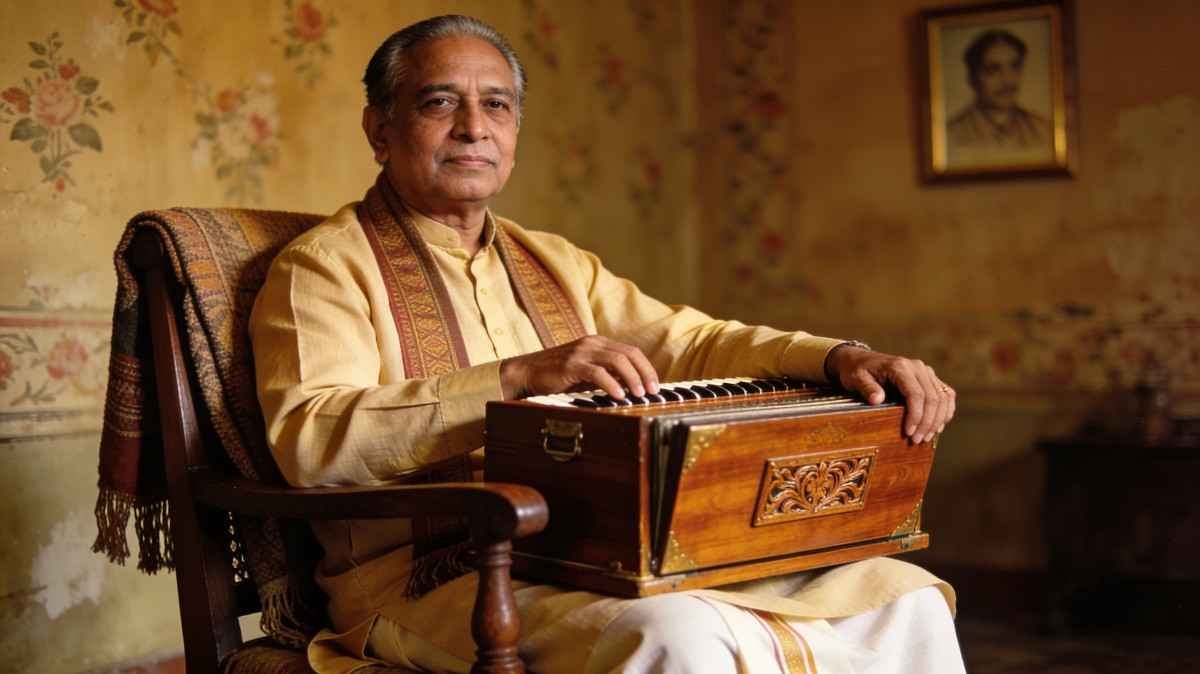
Bhupen Hazarika was more than a singer—he was the voice of Assam. Across decades his songs combined simple language, powerful melody, and deep social feeling. For many, bhupen hazarika assamese songs lyrics are the first school of emotion: they teach love for nature, compassion for people, and pride in culture. In this guide you’ll find a respectful look at his most famous Assamese songs (meanings and themes, not full lyrics), the cultural depth behind his words, and why his music still matters. Read on to discover how Hazarika turned everyday scenes into timeless songs that speak across generations.
To explore more, visit our Assamese song lyrics hub.
You can also read Assamese old song lyrics for golden-era classics or browse Assamese song lyrics in English for translations.
For emotional tracks, check Assamese love song lyrics.
Who was Bhupen Hazarika?
Bhupen Hazarika (1926–2011) was a singer, composer, lyricist, filmmaker, and cultural ambassador from Assam. Trained in classical and folk traditions and influenced by world music during his studies abroad, he blended local melodies with broad humanism. Hazarika used music to discuss social justice, human dignity, love, and identity. His baritone voice and thoughtful lyrics made him a beloved figure not only in Assam but across India and beyond. As a public intellectual and cultural leader, he also served in public life, always returning to music as his primary language of connection.

Popular Bhupen Hazarika Assamese Songs Lyrics with Meanings
Below are 10 of Bhupen Hazarika’s most remembered Assamese songs. For each I give a short description, the core meaning or theme, and why the song remains important. For example, a line like “মানুহে মানুহৰ বাবে” — People are for people reflects his deep message of humanity.
Note: Full lyrics are not reproduced — focus is on meaning and legacy.
- “Ganga Mor Amrut”
- Short description: A devotional and reverent meditation on rivers and life.
- Meaning / theme: The song treats the river as life’s sustainer and spiritual presence—mixing gratitude with ecological reverence.
- Why it is important: Hazarika connects the physical river with cultural memory, reminding listeners of the river’s central role in livelihood and identity.
- “Manuhe Manuhor Babe” (People are for people)
- Short description: A strong humanist anthem calling for empathy and social responsibility.
- Meaning / theme: Simple but profound plea: humans exist to care for one another; society must be humane.
- Why it is important: This song became a moral touchstone in Assam and beyond, often quoted in social and political contexts for its universal message.
- “Dil Hoom Hoom Kare” (Assamese rendition / film version)
- Short description: A melodic expression of longing and pain (popularised through films).
- Meaning / theme: The song speaks of heartache and the quiet ache of waiting—an emotional, cinematic piece that many associate with vulnerability.
- Why it is important: It shows Hazarika’s ability to blend folk feeling with film sensibility, reaching a wide popular audience.
- “Bistirno Parore” (On the wide bank)
- Short description: A reflective song using riverbank imagery to talk about separation and memory.
- Meaning / theme: The landscape becomes symbolic of distance—between lovers, generations, or ideals.
- Why it is important: Its strong imagery and mournful melody make it a classic for listeners who appreciate poetic nostalgia.
- “Raat Jaga Phool” (Night-watch flower)
- Short description: A gentle, contemplative piece about quiet moments and watchfulness.
- Meaning / theme: Themes of patience, guardianship, and the small beauty found in unremarked corners of life.
- Why it is important: Demonstrates Hazarika’s skill at turning a small image into a wide emotional field.
- “Sagar Sangamat” (The meeting with the sea)
- Short description: A song that expands the local to the universal—rivers meeting the sea as metaphor.
- Meaning / theme: Union, journey, and the inevitable blending of identities; a metaphor for life’s larger processes.
- Why it is important: Reinforces Hazarika’s poetic worldview—local experiences mapped onto universal themes.
- “Moi Eti Jajabor” (I am a traveller)
- Short description: A wandering, reflective song about travel, restlessness, and discovery.
- Meaning / theme: The inner journey parallels physical travel; a gentle celebration of curiosity and movement.
- Why it is important: Many identify with its restless heart and find comfort in its acceptance of change.
- “Xudoi Xudoi” (Light after light)
- Short description: Optimistic tune about hope and renewal.
- Meaning / theme: Encourages perseverance—darkness gives way to light, and small acts brighten life.
- Why it is important: Frequently used in cultural programs and gatherings to inspire resilience and community spirit.
- “Koti Morou” (A farmer’s lament / rural life—example)
- Short description: A song rooted in rural rhythms and agricultural life.
- Meaning / theme: Respect for the labour of farmers, the dignity of work, and the cycles of the land.
- Why it is important: Hazarika often highlighted rural realities and the song became an empathetic bridge between urban listeners and agrarian life.
- “Bihu Geet Rendition” (Hazarika’s takes on traditional Bihu themes)
- Short description: Modern interpretations of Bihu motifs with reflective commentary.
- Meaning / theme: Celebration, courtship, and the bittersweet layers of festival life; mixing joy with social observation.
- Why it is important: Showcases how Hazarika honoured tradition while inviting listeners to think deeply about cultural practice.

Themes in his songs
Bhupen Hazarika’s lyrics return again and again to a few core themes:
- Humanity: Songs like “Manuhe Manuhor Babe” insist on compassion and shared responsibility.
- Nature: Rivers, fields, seasons, and the sea appear as living symbols of culture and feeling.
- Society: Hazarika commented on injustice, poverty, and social change with clarity and care.
- Emotion: Love, longing, loss, and hope are expressed in direct yet poetic language.
These themes make his music both local and universal—rooted in Assam but speaking to basic human concerns everywhere.
Meaning of Bhupen Hazarika song lyrics (English)
Translating or explaining bhupen hazarika assamese songs lyrics into English requires attention to both literal meaning and emotional tone. His words are often plain but layered—simple images that carry history, social context, and moral weight.
- Cultural depth: References to rivers, local customs, and Assamese terms often carry more than surface meaning. For instance, a line about “paddy fields” can stand for livelihood, ancestral memory, and seasonal rhythm.
- Emotional storytelling: Hazarika’s songs tell stories more than abstract statements. Each lyric often sketches a scene that invites empathy.
- Translation approach: Prefer paraphrase and explanation rather than direct literal translation. Preserve the song’s moral intent and the emotional register (sorrowful, hopeful, admonishing).
Including short explanatory notes alongside translations helps readers understand why a phrase matters in Assamese culture rather than treating it as a simple metaphor.
His contribution to Assamese music
Bhupen Hazarika’s influence is wide and deep:
- Cultural ambassador: He brought Assamese music to national and international stages, composing in multiple languages and collaborating widely.
- Musical innovation: Hazarika blended folk, classical, and modern influences—introducing new arrangements while respecting tradition.
- Social conscience: His songs often raised awareness about social issues, encouraging empathy, dignity, and civic responsibility.
- Legacy: Generations of singers, composers, and listeners cite him as an inspiration. His songs are taught in schools, played at festivals, and quoted at civic events—keeps his voice alive in public memory.
Hazarika’s legacy is not only his recordings but the values he communicated—humanity, curiosity, and cultural pride.

Explore more Assamese songs
- Assamese song lyrics (cluster hub)
- Assamese old song lyrics
- Assamese song lyrics in English
- Assamese love song lyrics
- Assamese Bihu song lyrics
- Assamese folk song lyrics
- Zubeen Garg Assamese song lyrics
These links help readers move from Hazarika’s classics to other Assamese musical traditions and translations.
FAQ :Bhupen Hazarika Assamese Songs Lyrics
A: This post focuses on meanings, themes, and cultural context rather than reproducing full lyrics, respecting copyright and emphasising interpretation.
A: Look for paraphrased translations and short cultural notes that explain local symbols. Focus on the emotion and story rather than only literal words.
A: “Manuhe Manuhor Babe” is often cited for its clear humanist message. Many other songs also combine social concern with poetic warmth.
You can listen to authentic recordings on platforms like YouTube, where many official and curated Assamese songs are available. Searching for the song name or artist will help you find high-quality versions.
A: Yes—many Assamese musicians, composers, and singers continue to draw inspiration from his melodies, themes, and commitment to social art.
C0nclusion
Bhupen Hazarika’s bhupen hazarika assamese songs lyrics remain evergreen because they speak simply and deeply about what it means to live with nature, society, and other people. His songs teach empathy, celebrate local life, and challenge listeners to care. By exploring meanings and contexts, we keep his legacy alive—not only as music but as a moral and cultural conversation across generations. Dive into these classics, listen with attention, and you will find both Assam’s heart and universal human wisdom in Hazarika’s lines.